Episodes
Season 1 · Miniseries
1
 ▶
Inning One: Our Game
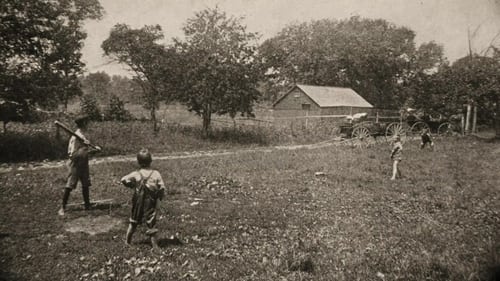
In New York City, in the 1840s, people need a diversion from the "railroad pace" at which they work and live. They find it in a game of questionable origins. On June 19th, 1846, at the Elysian Fields in Hoboken, New Jersey, a team of well-dressed gentlemen, the Knickerbockers, play the first game of baseball. By 1856, the game is already being called "the national pastime," or simply, "Our Game." But the nation is about to be torn apart. And, in the midst of the Civil War, there is one thing that Americans North and South have in common: baseball.
Not watched yet
113m
2
▶
Inning One: Our Game
In New York City, in the 1840s, people need a diversion from the "railroad pace" at which they work and live. They find it in a game of questionable origins. On June 19th, 1846, at the Elysian Fields in Hoboken, New Jersey, a team of well-dressed gentlemen, the Knickerbockers, play the first game of baseball. By 1856, the game is already being called "the national pastime," or simply, "Our Game." But the nation is about to be torn apart. And, in the midst of the Civil War, there is one thing that Americans North and South have in common: baseball.
Not watched yet
113m
2
 ▶
Inning Two: Something Like a War
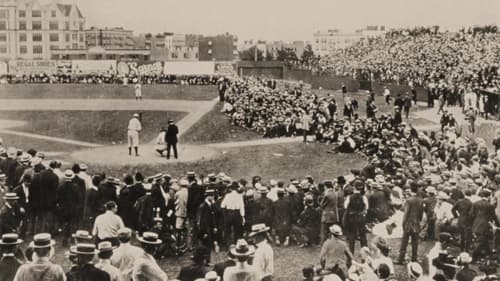
It is a decade of revolution. In China, in Central America. At Kitty Hawk. In Henry Ford's factory. And on America's baseball fields. In 1894, a sportswriter named Byron Bancroft "Ban" Johnson takes over a struggling minor league - the Western League - and turns it into a financial success. In 1900, he changes its name to the American League and begins talking about challenging the big city monopoly held by the National League. The revolution takes only three years. In 1903, the first World Series is played between the American League Boston Pilgrims and the National League Pittsburgh Pirates.
Not watched yet
104m
3
▶
Inning Two: Something Like a War
It is a decade of revolution. In China, in Central America. At Kitty Hawk. In Henry Ford's factory. And on America's baseball fields. In 1894, a sportswriter named Byron Bancroft "Ban" Johnson takes over a struggling minor league - the Western League - and turns it into a financial success. In 1900, he changes its name to the American League and begins talking about challenging the big city monopoly held by the National League. The revolution takes only three years. In 1903, the first World Series is played between the American League Boston Pilgrims and the National League Pittsburgh Pirates.
Not watched yet
104m
3
 ▶
Inning Three: The Faith of Fifty Million People
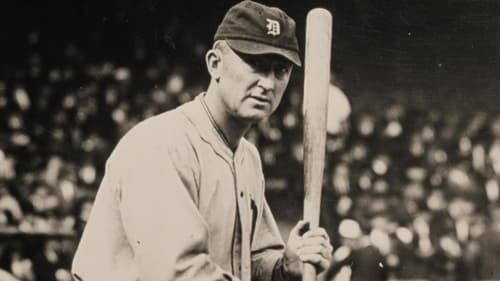
Examine the century's second decade, which was dominated by the Black Sox scandal. George Herman “Babe” Ruth makes his first major league appearance (as a member of the Boston Red Sox) and a wave of immigration helps fill the stands with new fans, eager to “become American” by learning America's game.
Not watched yet
118m
4
▶
Inning Three: The Faith of Fifty Million People
Examine the century's second decade, which was dominated by the Black Sox scandal. George Herman “Babe” Ruth makes his first major league appearance (as a member of the Boston Red Sox) and a wave of immigration helps fill the stands with new fans, eager to “become American” by learning America's game.
Not watched yet
118m
4
 ▶
Inning Four: A National Heirloom
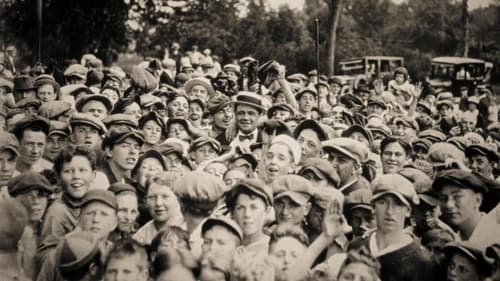
This episode concentrates on Babe Ruth, whose phenomenal performance thrilled the nation throughout the 1920s and rescued the game from the scandal of the previous decade.
Not watched yet
111m
5
▶
Inning Four: A National Heirloom
This episode concentrates on Babe Ruth, whose phenomenal performance thrilled the nation throughout the 1920s and rescued the game from the scandal of the previous decade.
Not watched yet
111m
5
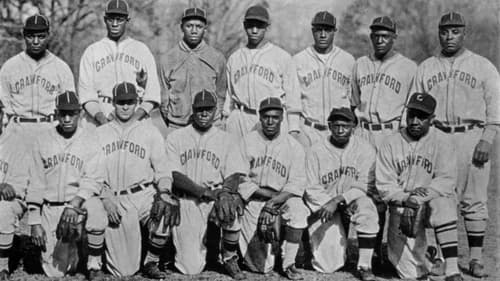 ▶
Inning Five: Shadow Ball
The story of the Negro Leagues in the 1930s. “Shadow Ball” refers to a common pre-game feature in which the players staged a mock game with an imaginary ball. Though unintended, the pantomime was an apt metaphor for the exclusion of blacks from major league play at that time.
Not watched yet
120m
6
▶
Inning Five: Shadow Ball
The story of the Negro Leagues in the 1930s. “Shadow Ball” refers to a common pre-game feature in which the players staged a mock game with an imaginary ball. Though unintended, the pantomime was an apt metaphor for the exclusion of blacks from major league play at that time.
Not watched yet
120m
6
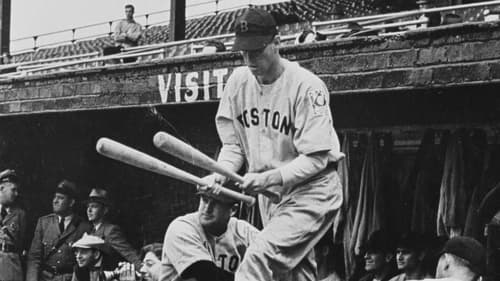 ▶
Inning Six: The National Pastime
This episode covers the 1940s and includes Joe DiMaggio's celebrated hitting streak, the awe-inspiring performance of Ted Williams and what Burns calls “baseball's finest moment” — the debut of Jackie Robinson, who broke the color barrier as a member of the Brooklyn Dodgers in 1947.
Not watched yet
148m
7
▶
Inning Six: The National Pastime
This episode covers the 1940s and includes Joe DiMaggio's celebrated hitting streak, the awe-inspiring performance of Ted Williams and what Burns calls “baseball's finest moment” — the debut of Jackie Robinson, who broke the color barrier as a member of the Brooklyn Dodgers in 1947.
Not watched yet
148m
7
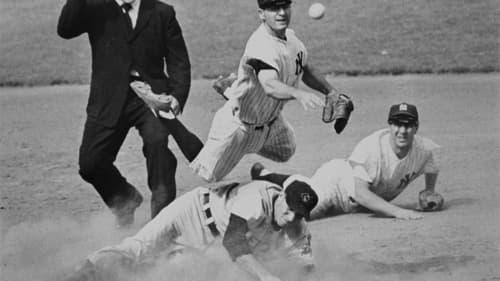 ▶
Inning Seven: The Capitol of Baseball
Viewers are taken through the 1950s when New York City had three successful baseball teams and dominated the World Series. By the end of the decade, the Giants and Dodgers had left New York, a signal that the old game was changed forever.
Not watched yet
128m
8
▶
Inning Seven: The Capitol of Baseball
Viewers are taken through the 1950s when New York City had three successful baseball teams and dominated the World Series. By the end of the decade, the Giants and Dodgers had left New York, a signal that the old game was changed forever.
Not watched yet
128m
8
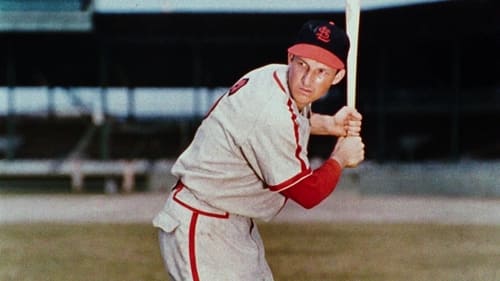 ▶
Inning Eight: A Whole New Ball Game
The field is moved to the 1960s. This episode traces the emergence of television, the expansion to new cities and the building of anonymous multipurpose stadiums that robbed the game of its intimacy and some of its urban following.
Not watched yet
111m
9
▶
Inning Eight: A Whole New Ball Game
The field is moved to the 1960s. This episode traces the emergence of television, the expansion to new cities and the building of anonymous multipurpose stadiums that robbed the game of its intimacy and some of its urban following.
Not watched yet
111m
9
 ▶
Inning Nine: Home
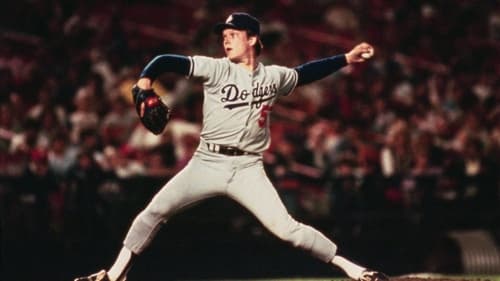
The final episode looks at baseball from the 1970s to the present, including the establishment of the free agent system, the rise in player salaries, the continued expansion, the dilution of talent, the ongoing battles between labor and management and the scandals.
Not watched yet
142m
▶
Inning Nine: Home
The final episode looks at baseball from the 1970s to the present, including the establishment of the free agent system, the rise in player salaries, the continued expansion, the dilution of talent, the ongoing battles between labor and management and the scandals.
Not watched yet
142m
▶
Inning One: Our Game
In New York City, in the 1840s, people need a diversion from the "railroad pace" at which they work and live. They find it in a game of questionable origins. On June 19th, 1846, at the Elysian Fields in Hoboken, New Jersey, a team of well-dressed gentlemen, the Knickerbockers, play the first game of baseball. By 1856, the game is already being called "the national pastime," or simply, "Our Game." But the nation is about to be torn apart. And, in the midst of the Civil War, there is one thing that Americans North and South have in common: baseball.
Not watched yet
113m
2
▶
Inning Two: Something Like a War
It is a decade of revolution. In China, in Central America. At Kitty Hawk. In Henry Ford's factory. And on America's baseball fields. In 1894, a sportswriter named Byron Bancroft "Ban" Johnson takes over a struggling minor league - the Western League - and turns it into a financial success. In 1900, he changes its name to the American League and begins talking about challenging the big city monopoly held by the National League. The revolution takes only three years. In 1903, the first World Series is played between the American League Boston Pilgrims and the National League Pittsburgh Pirates.
Not watched yet
104m
3
▶
Inning Three: The Faith of Fifty Million People
Examine the century's second decade, which was dominated by the Black Sox scandal. George Herman “Babe” Ruth makes his first major league appearance (as a member of the Boston Red Sox) and a wave of immigration helps fill the stands with new fans, eager to “become American” by learning America's game.
Not watched yet
118m
4
▶
Inning Four: A National Heirloom
This episode concentrates on Babe Ruth, whose phenomenal performance thrilled the nation throughout the 1920s and rescued the game from the scandal of the previous decade.
Not watched yet
111m
5
▶
Inning Five: Shadow Ball
The story of the Negro Leagues in the 1930s. “Shadow Ball” refers to a common pre-game feature in which the players staged a mock game with an imaginary ball. Though unintended, the pantomime was an apt metaphor for the exclusion of blacks from major league play at that time.
Not watched yet
120m
6
▶
Inning Six: The National Pastime
This episode covers the 1940s and includes Joe DiMaggio's celebrated hitting streak, the awe-inspiring performance of Ted Williams and what Burns calls “baseball's finest moment” — the debut of Jackie Robinson, who broke the color barrier as a member of the Brooklyn Dodgers in 1947.
Not watched yet
148m
7
▶
Inning Seven: The Capitol of Baseball
Viewers are taken through the 1950s when New York City had three successful baseball teams and dominated the World Series. By the end of the decade, the Giants and Dodgers had left New York, a signal that the old game was changed forever.
Not watched yet
128m
8
▶
Inning Eight: A Whole New Ball Game
The field is moved to the 1960s. This episode traces the emergence of television, the expansion to new cities and the building of anonymous multipurpose stadiums that robbed the game of its intimacy and some of its urban following.
Not watched yet
111m
9
▶
Inning Nine: Home
The final episode looks at baseball from the 1970s to the present, including the establishment of the free agent system, the rise in player salaries, the continued expansion, the dilution of talent, the ongoing battles between labor and management and the scandals.
Not watched yet
142m
Cast
 John ChancellorNarrator (voice)
 Daniel OkrentSelf
 Studs TerkelSelf (voice)
Because you watched Baseball
 ★ 6.7
★ 6.7Biography
 ★ 7
★ 7American Masters
 ★ 6.5
★ 6.5American Experience
 ★ 6.5
★ 6.5The Movies
 ★ 7.4
★ 7.4Horizon
 ★ 7.9
★ 7.9Quarterback
 ★ 8
★ 8Top Gear
 ★ 7.4
★ 7.4Superpowered: The DC Story
 ★ 7.4
★ 7.4Marvel's 616
 ★ 7.6
★ 7.6How It's Made
 ★ 7.5
★ 7.530 for 30
 ★ 8
★ 8Animal
 ★ 7.7
★ 7.7Down to Earth with Zac Efron
 ★ 7.2
★ 7.2Marvel Studios Assembled
 ★ 7.1
★ 7.1Grand Designs
 ★ 8.3
★ 8.3The Planets
 ★ 7.7
★ 7.7Anthony Bourdain: Parts Unknown
 ★ 7.4
★ 7.4Deadliest Warrior