Watch on TV
Send this player to your TV
Open /tv/ on the TV browser, then enter the 6-digit code here. Lumeo will load the selected embedded player on the TV so this phone/laptop does not need to keep playing it.
Episodes
Season 1 · Miniseries
1
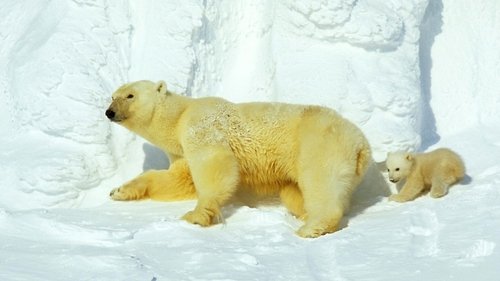 ▶
From Pole to Pole
A global tour examining the behaviors of animals and revealing the effects of climate change on their environments.
Not watched yet
53m
2
▶
From Pole to Pole
A global tour examining the behaviors of animals and revealing the effects of climate change on their environments.
Not watched yet
53m
2
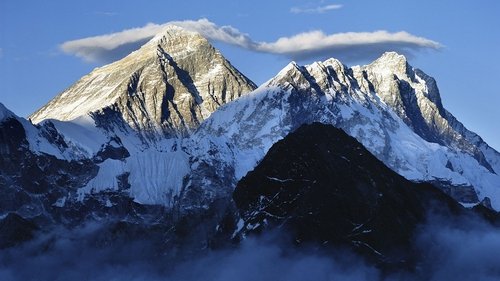 ▶
Mountains
An exploration of the world's major mountain ranges and the habitats they create.
Not watched yet
49m
3
▶
Mountains
An exploration of the world's major mountain ranges and the habitats they create.
Not watched yet
49m
3
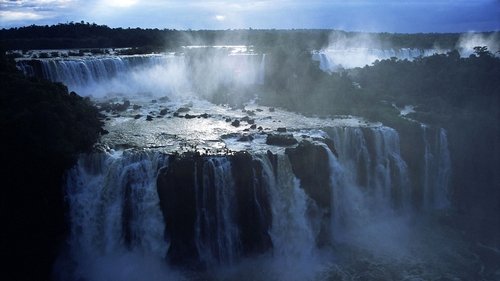 ▶
Fresh Water
Although merely 3% of water on earth, fresh water plays an important part in the planet's weather and erosion. It is immensely important for all non-marine wildlife, which drinks fresh water and swims, procreates, hunts in it. Its concentrations, such as rivers, lakes and swamps, abound in aquatic and other species, often adapted to 'wet' life.
Not watched yet
51m
4
▶
Fresh Water
Although merely 3% of water on earth, fresh water plays an important part in the planet's weather and erosion. It is immensely important for all non-marine wildlife, which drinks fresh water and swims, procreates, hunts in it. Its concentrations, such as rivers, lakes and swamps, abound in aquatic and other species, often adapted to 'wet' life.
Not watched yet
51m
4
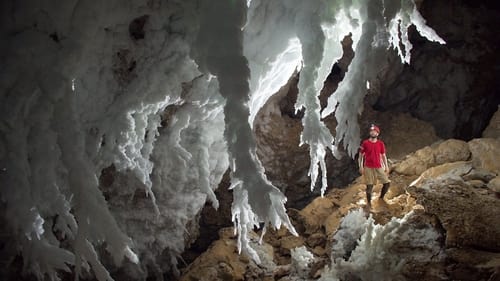 ▶
Caves
Although often overlooked, caves are remarkable habitats with bizarre wildlife. Explore the structures created inside the earth as well as the adaptations animals have made to thrive in these environments.
Not watched yet
50m
5
▶
Caves
Although often overlooked, caves are remarkable habitats with bizarre wildlife. Explore the structures created inside the earth as well as the adaptations animals have made to thrive in these environments.
Not watched yet
50m
5
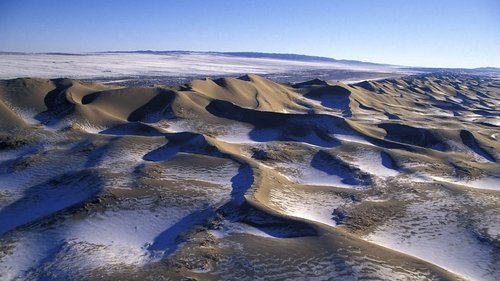 ▶
Deserts
Despite the lack of rain, deserts are the most varied of our ecosystems. In fact, about thirty percent of the earth's land surface is covered in desert. Explore the unique conditions present in deserts as well as the survival mechanisms developed by the animals that inhabit them.
Not watched yet
50m
6
▶
Deserts
Despite the lack of rain, deserts are the most varied of our ecosystems. In fact, about thirty percent of the earth's land surface is covered in desert. Explore the unique conditions present in deserts as well as the survival mechanisms developed by the animals that inhabit them.
Not watched yet
50m
6
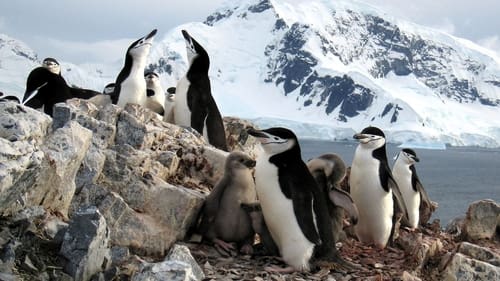 ▶
Ice Worlds
Experience life in the most hostile corners of the planet by exploring the terrain, seasons, and animals of the Arctic and Antarctic.
Not watched yet
51m
7
▶
Ice Worlds
Experience life in the most hostile corners of the planet by exploring the terrain, seasons, and animals of the Arctic and Antarctic.
Not watched yet
51m
7
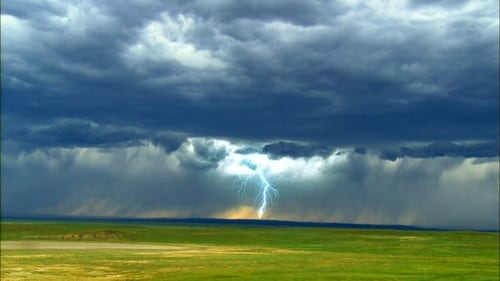 ▶
Great Plains
This episode deals with savanna, steppe, tundra, prairie, and looks at the importance and resilience of grasses in such treeless ecosystems. Their vast expanses contain the largest concentration of animal life. Over Africa's savanna, a swarm of 1.5 billion red-billed queleas are caught on camera, the largest flock of birds ever depicted.
Not watched yet
50m
8
▶
Great Plains
This episode deals with savanna, steppe, tundra, prairie, and looks at the importance and resilience of grasses in such treeless ecosystems. Their vast expanses contain the largest concentration of animal life. Over Africa's savanna, a swarm of 1.5 billion red-billed queleas are caught on camera, the largest flock of birds ever depicted.
Not watched yet
50m
8
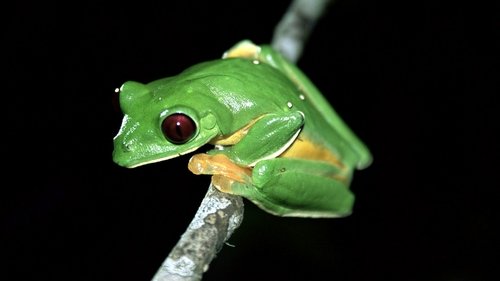 ▶
Jungles
Jungles cover roughly three percent of our planet yet contain fifty percent of the world's species. Experience the countless flora and fauna that inhabit these unique areas.
Not watched yet
51m
9
▶
Jungles
Jungles cover roughly three percent of our planet yet contain fifty percent of the world's species. Experience the countless flora and fauna that inhabit these unique areas.
Not watched yet
51m
9
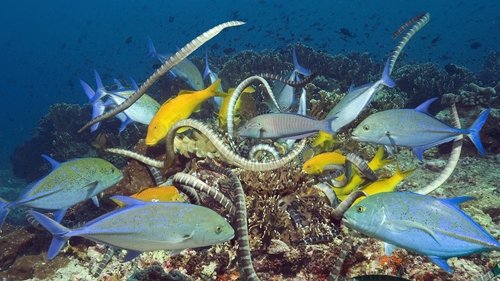 ▶
Shallow Seas
A look at the shallow seas of the earth, from coral reefs to kelp forests and beyond.
Not watched yet
51m
10
▶
Shallow Seas
A look at the shallow seas of the earth, from coral reefs to kelp forests and beyond.
Not watched yet
51m
10
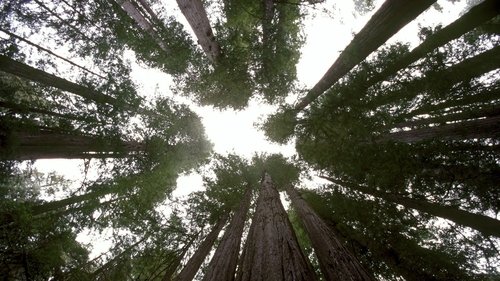 ▶
Seasonal Forests
Trees are Earth's largest organisms and are also one of the planet's oldest inhabitants. Seasonal forests (unlike tropical rain-forest) are the largest land habitats. A third of all trees grow in the endless taiga of the Arctic north. Northern America has forests that include California's sequoias, the Earth's largest trees. There and elsewhere, their vast production of photosynthesis and shade presides over a seasonal cycle of life and involves countless plant and animal species.
Not watched yet
51m
11
▶
Seasonal Forests
Trees are Earth's largest organisms and are also one of the planet's oldest inhabitants. Seasonal forests (unlike tropical rain-forest) are the largest land habitats. A third of all trees grow in the endless taiga of the Arctic north. Northern America has forests that include California's sequoias, the Earth's largest trees. There and elsewhere, their vast production of photosynthesis and shade presides over a seasonal cycle of life and involves countless plant and animal species.
Not watched yet
51m
11
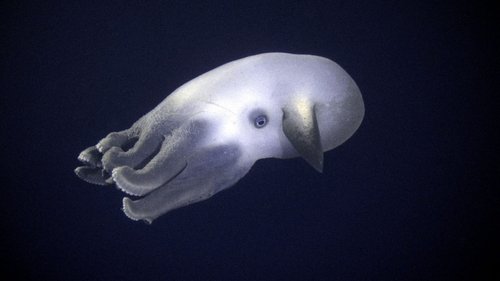 ▶
Ocean Deep
An exploration of the deepest, darkest realms of the ocean, spanning countless species to a depth of 2,000 meters.
Not watched yet
53m
▶
Ocean Deep
An exploration of the deepest, darkest realms of the ocean, spanning countless species to a depth of 2,000 meters.
Not watched yet
53m
▶
From Pole to Pole
A global tour examining the behaviors of animals and revealing the effects of climate change on their environments.
Not watched yet
53m
2
▶
Mountains
An exploration of the world's major mountain ranges and the habitats they create.
Not watched yet
49m
3
▶
Fresh Water
Although merely 3% of water on earth, fresh water plays an important part in the planet's weather and erosion. It is immensely important for all non-marine wildlife, which drinks fresh water and swims, procreates, hunts in it. Its concentrations, such as rivers, lakes and swamps, abound in aquatic and other species, often adapted to 'wet' life.
Not watched yet
51m
4
▶
Caves
Although often overlooked, caves are remarkable habitats with bizarre wildlife. Explore the structures created inside the earth as well as the adaptations animals have made to thrive in these environments.
Not watched yet
50m
5
▶
Deserts
Despite the lack of rain, deserts are the most varied of our ecosystems. In fact, about thirty percent of the earth's land surface is covered in desert. Explore the unique conditions present in deserts as well as the survival mechanisms developed by the animals that inhabit them.
Not watched yet
50m
6
▶
Ice Worlds
Experience life in the most hostile corners of the planet by exploring the terrain, seasons, and animals of the Arctic and Antarctic.
Not watched yet
51m
7
▶
Great Plains
This episode deals with savanna, steppe, tundra, prairie, and looks at the importance and resilience of grasses in such treeless ecosystems. Their vast expanses contain the largest concentration of animal life. Over Africa's savanna, a swarm of 1.5 billion red-billed queleas are caught on camera, the largest flock of birds ever depicted.
Not watched yet
50m
8
▶
Jungles
Jungles cover roughly three percent of our planet yet contain fifty percent of the world's species. Experience the countless flora and fauna that inhabit these unique areas.
Not watched yet
51m
9
▶
Shallow Seas
A look at the shallow seas of the earth, from coral reefs to kelp forests and beyond.
Not watched yet
51m
10
▶
Seasonal Forests
Trees are Earth's largest organisms and are also one of the planet's oldest inhabitants. Seasonal forests (unlike tropical rain-forest) are the largest land habitats. A third of all trees grow in the endless taiga of the Arctic north. Northern America has forests that include California's sequoias, the Earth's largest trees. There and elsewhere, their vast production of photosynthesis and shade presides over a seasonal cycle of life and involves countless plant and animal species.
Not watched yet
51m
11
▶
Ocean Deep
An exploration of the deepest, darkest realms of the ocean, spanning countless species to a depth of 2,000 meters.
Not watched yet
53m
Cast
 David AttenboroughSelf - Narrator
Because you watched Planet Earth
 ★ 7.4
★ 7.4Natural World
 ★ 7.7
★ 7.7Great Migrations
 ★ 8.5
★ 8.5Our Planet
 ★ 8.6
★ 8.6Planet Earth II
 ★ 8.2
★ 8.2Earth at Night in Colour
 ★ 7.9
★ 7.9Nature
 ★ 8.4
★ 8.4Life
 ★ 8.5
★ 8.5Seven Worlds, One Planet
 ★ 8.6
★ 8.6Planet Earth III
 ★ 8
★ 8Tiny World
 ★ 8.2
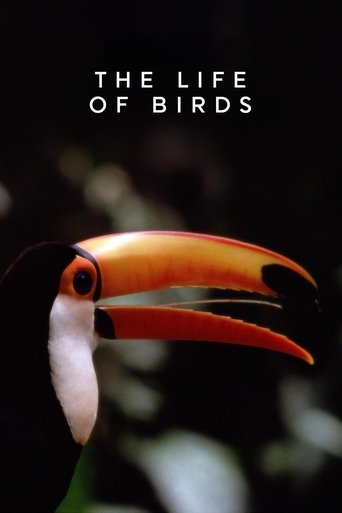
★ 8.2The Life of Birds
 ★ 7
★ 7NOVA
 ★ 8.4
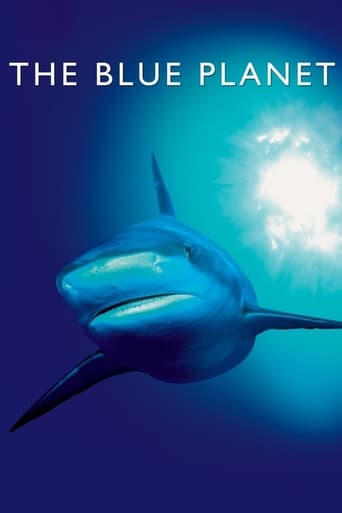
★ 8.4The Blue Planet
 ★ 7.4
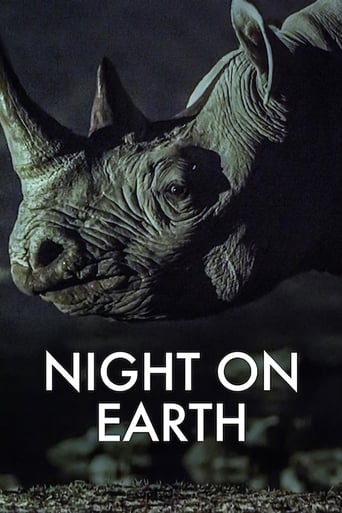
★ 7.4Night on Earth
 ★ 7.9
★ 7.9Animal
 ★ 8.4
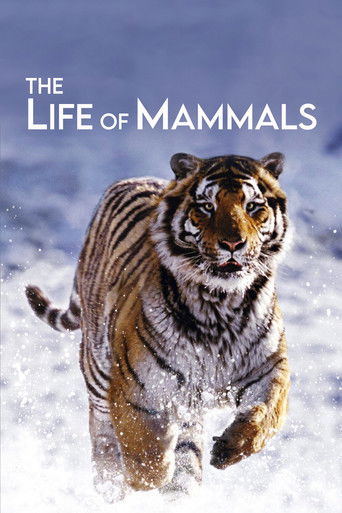
★ 8.4The Life of Mammals
 ★ 8
★ 8The Secret Lives of Animals
 ★ 8.3
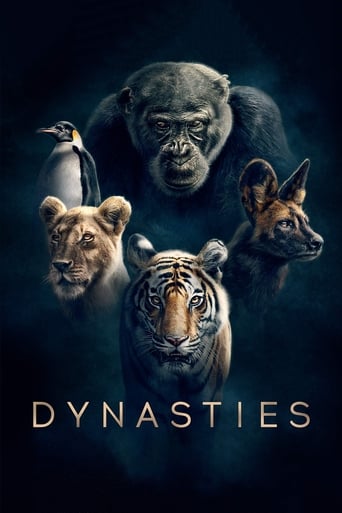
★ 8.3Dynasties